
The Ultimate Guide to Getting Your Project Management Certification in Nigeria: All You Need to Know in 2026-2027
Project management certification in Nigeria has become a career filter, salary lever, and credibility shortcut for professionals who want stronger roles in tech, construction, banking, oil and gas, healthcare, NGOs, government delivery, and remote teams. The smartest path begins with matching your current experience to the right credential, then building proof through delivery artifacts. Use this guide with APMIC’s complete project management career roadmap, certified agile project manager roadmap, IT project manager guide, and government PM career roadmap to turn certification into interviews, promotions, and stronger project authority.
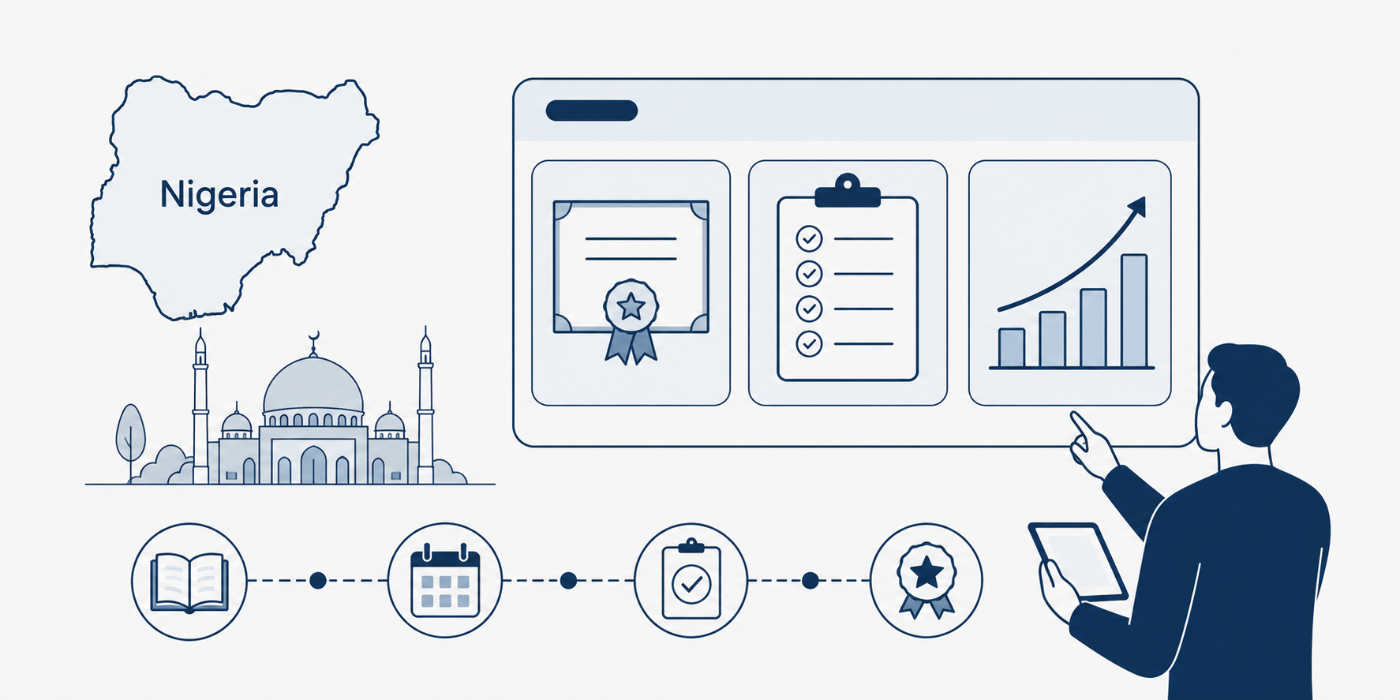
1. Why Project Management Certification Matters in Nigeria in 2026-2027
A project management certification helps Nigerian professionals translate informal delivery experience into language hiring panels trust: scope, schedule, budget, risk, stakeholders, governance, procurement, reporting, and benefits realization. Many capable coordinators, operations leads, engineers, administrators, analysts, and team supervisors already manage projects, yet their CVs describe duties instead of outcomes. That gap hurts them when competing for structured roles in Lagos, Abuja, Port Harcourt, Kano, Ibadan, remote international teams, and development-funded programs.
The right certification gives your experience a recognized frame. CAPM can help early-career professionals prove foundation knowledge, PMP can validate seasoned delivery leadership, PRINCE2 can strengthen governance language, Scrum certifications can support agile delivery, and sector-focused learning can help you compete in construction project management, healthcare project management, remote project management, and international project management.
The pain point is simple: Nigerian employers rarely reward “I helped with projects” when another candidate can show a charter, RAID log, RACI, budget tracker, sprint board, vendor register, change log, and stakeholder dashboard. Certification should help you build that proof. Study alone creates knowledge; study plus artifacts creates employability. That is why this guide connects certification choice with portfolio evidence, using APMIC resources on stakeholder engagement terms, risk registers, earned value management, and project reporting best practices.
For 2026-2027, the winning Nigerian candidate will combine certification, tool fluency, sector awareness, and evidence. A Lagos fintech PM needs agile backlog discipline, release coordination, and vendor control. An Abuja NGO project lead needs donor reporting, compliance, stakeholder mapping, and field-risk tracking. A Port Harcourt oil and gas coordinator needs procurement fluency, safety awareness, cost control, and formal governance. Start with the certification that fits your level, then use APMIC’s future PM skills guide, hybrid project management forecast, AI and project management guide, and project management certifications forecast to stay ahead of hiring expectations.
| Candidate Profile | Best Certification Direction | Proof Asset to Build | Where It Pays Off in Nigeria | APMIC Internal Resource |
|---|---|---|---|---|
| Fresh graduate | CAPM-style foundation path before senior credentials. | Mini project charter, work breakdown structure, risk log. | Graduate trainee, project assistant, PMO analyst roles. | Project manager roadmap |
| NYSC / early career | CAPM, Agile basics, reporting and stakeholder training. | Status report pack, meeting minutes, action tracker. | NGOs, education programs, healthcare projects, admin PM roles. | Entry-level to executive path |
| Operations officer | PMP readiness once experience is documented properly. | Before/after process improvement case study. | Banking operations, logistics, retail expansion, telecom support. | Project execution terms |
| Team lead | PMP or hybrid PM certification route. | RACI matrix, escalation path, delivery dashboard. | Product teams, shared services, internal transformation. | Leadership terms |
| Scrum team member | Certified Scrum Master or Agile PM route. | Sprint board, backlog refinement notes, retro action log. | Fintech, SaaS, telecom apps, product delivery teams. | Scrum Master guide |
| Product analyst | Product Owner plus Agile delivery fundamentals. | Prioritized backlog, user story map, release notes. | Fintech, ecommerce, healthtech, mobile product teams. | Product Owner roadmap |
| Software / IT coordinator | IT PM path, Agile, Scrum, and vendor governance. | Implementation plan, UAT tracker, dependency register. | Banks, fintechs, telecoms, enterprise IT, cloud migration. | IT PM guide |
| Construction professional | PMP, PRINCE2, schedule and cost control training. | Gantt chart, procurement tracker, site risk register. | Real estate, roads, infrastructure, facilities projects. | Construction PM guide |
| Healthcare admin | Healthcare PM path plus compliance documentation. | Clinic rollout plan, stakeholder map, benefits tracker. | Hospitals, NGOs, public health programs, healthtech. | Healthcare PM guide |
| Government contractor | PRINCE2, procurement fluency, governance-heavy PM path. | Steering pack, approval log, compliance checklist. | Public sector delivery, donor projects, infrastructure programs. | Government PM roadmap |
| Banking professional | PMP plus risk, change, data, and compliance project skills. | Migration plan, risk register, business readiness tracker. | Core banking upgrades, fraud systems, compliance programs. | Risk mitigation terms |
| Oil and gas coordinator | PMP or PRINCE2 with procurement and safety evidence. | Vendor register, HSE risk log, milestone dashboard. | Energy services, asset maintenance, field operations. | Vendor management terms |
| NGO / development worker | PM foundation, PRINCE2, monitoring and reporting skills. | Logframe, donor report calendar, issue tracker. | Health, education, climate, livelihood, humanitarian programs. | Project reporting terms |
| Remote worker | Agile, Scrum, tool-based PM certification path. | Async communication plan, Kanban board, weekly dashboard. | Remote startups, international agencies, distributed teams. | Remote PM guide |
| Freelancer | Client-facing PM, Agile basics, consulting documentation. | Scope template, client onboarding checklist, change request form. | SMEs, agencies, founders, international freelance clients. | Freelance PM career |
| Consultant | PMP, PRINCE2, portfolio, and change leadership training. | Diagnostic report, roadmap deck, benefits realization plan. | Transformation consulting, advisory, PMO setup, process redesign. | PM consultancy guide |
| PMO analyst | PMP foundation plus reporting, governance, portfolio skills. | Portfolio dashboard, issue heatmap, dependency tracker. | Enterprise PMOs, banks, telecoms, large Nigerian groups. | Future PMO guide |
| Portfolio coordinator | Portfolio management route after solid project delivery proof. | Prioritization matrix, benefits map, capacity dashboard. | Executive PMO, strategy office, transformation portfolio. | Portfolio manager guide |
| Mid-level PM | PMP, PRINCE2 Practitioner, Agile hybrid path. | Full case study with scope, budget, risks, outcomes. | Senior PM, delivery manager, transformation lead roles. | PM consultant path |
| Agile specialist | Scrum Master, Agile Coach, Agile PM progression. | Team maturity assessment, coaching backlog, metrics dashboard. | Fintech, SaaS, product organizations, digital transformation. | Agile Coach path |
| Hybrid PM | PMP plus Agile delivery and waterfall governance skills. | Hybrid delivery model, phase-gate checklist, sprint release plan. | Enterprise systems, construction tech, banking transformation. | Hybrid PM future |
| AI-curious PM | PM certification plus AI, automation, estimation learning. | AI-assisted schedule, risk prompt library, automation map. | Digital PM, PMO automation, productivity transformation. | ML estimation guide |
| Tool-heavy coordinator | Certification plus Trello, Jira, Asana, MS Project fluency. | Tool comparison sheet, workflow board, template pack. | Startups, agencies, remote teams, internal operations. | Agile PM tools |
| Scheduler / planner | PMP-aligned schedule, EVM, Gantt, compression knowledge. | Baseline schedule, critical path view, recovery plan. | Construction, engineering, infrastructure, manufacturing. | Schedule compression terms |
| Senior manager | PMP plus director-level governance and strategy exposure. | Executive dashboard, benefits scorecard, portfolio decision log. | Project director, program lead, transformation head roles. | PM director roadmap |
| VP-track leader | Portfolio, governance, finance, PMO leadership path. | Operating model, capacity plan, investment prioritization pack. | VP of PM, Head of Delivery, Strategy Execution roles. | VP of PM path |
| Executive PM leader | CPO-style progression after strong program and portfolio wins. | Enterprise PMO blueprint, governance charter, value realization model. | Chief Project Officer, transformation executive, enterprise delivery head. | CPO roadmap |
| Global applicant | PMP, PRINCE2, Agile, and remote-proof portfolio combination. | International CV, quantified case study, tool screenshots. | UK, Canada, Middle East, Europe, remote-first companies. | International PM guide |
2. Which Project Management Certification Should You Choose in Nigeria?
The best certification depends on your experience, target industry, and the kind of proof your CV can support. Early-career Nigerians should usually begin with foundation-level learning, then use projects from school, NYSC, volunteering, internships, operations work, or small business execution to build examples. A candidate with limited formal experience can use CAPM-style preparation, APMIC’s complete glossary of agile project management terms, waterfall project management glossary, project execution terms, and project closure terms to sound structured instead of entry-level.
PMP fits professionals with real project leadership experience who can document ownership across scope, schedule, budget, quality, risks, procurement, stakeholders, and delivery outcomes. In Nigeria, this often includes operations managers, construction coordinators, banking transformation leads, telecom implementation leads, NGO program officers, and IT delivery managers. The mistake many candidates make is waiting until they have a formal “Project Manager” title. Hiring panels care about delivery accountability. A branch rollout, ERP implementation, clinic launch, event build, infrastructure package, software release, compliance project, or vendor migration can become credible experience when described through APMIC’s risk register guide, resource allocation terms, EVM terms, and project financial management glossary.
PRINCE2 is especially useful when your target roles involve governance, approvals, business cases, stage boundaries, public-sector discipline, consulting, or structured program environments. Nigerian candidates targeting donor-funded projects, government programs, infrastructure, public health, and enterprise transformation can use PRINCE2 language to prove control and accountability. Pair it with APMIC’s government project manager roadmap, future project governance guide, RFP, RFQ, and RFI guide, and vendor management glossary when your roles touch procurement or compliance.
Scrum Master and Product Owner certifications fit digital teams, fintechs, SaaS companies, mobile product teams, and remote organizations using iterative delivery. The value is stronger when you can show backlog hygiene, sprint goals, user stories, estimation, release planning, retrospectives, and agile metrics. Use APMIC’s Certified Scrum Master guide, Product Owner roadmap, Scrum glossary, and agile metrics guide to turn agile language into interview evidence.
For many Nigerian professionals, the strongest route is hybrid: PMP or PRINCE2 for governance, Scrum or Agile for adaptive delivery, and a sector portfolio for credibility. This combination helps when companies want one person who can satisfy executives, coordinate vendors, manage risk, and still work with product or technical teams. That is the reality behind APMIC’s hybrid project management forecast, future PM software guide, project management APIs guide, and best project management templates guide.
3. The Step-by-Step Certification Plan for Nigerian Candidates
Start by auditing your actual experience. Write down every project you have touched in the last five years: launch, migration, construction phase, compliance rollout, customer onboarding system, school initiative, NGO field activity, software release, process improvement, procurement cycle, event, campaign, training program, or operational change. Then identify where you influenced scope, time, cost, quality, risk, communication, stakeholders, vendors, or benefits. This audit will tell you whether you need a foundation certification, PMP-level readiness, a Scrum route, or a sector-specific roadmap through APMIC’s IT PM guide, construction PM guide, healthcare PM guide, and project portfolio manager guide.
Next, choose your exam path with money, timing, and role targets in mind. A candidate seeking a first formal PM job may gain more from a foundation route plus a polished project portfolio than from chasing an advanced certification too early. A mid-level delivery professional should prioritize PMP or PRINCE2 if they can prove leadership. A digital product candidate should prioritize Scrum, Product Owner, agile estimation, and tools. Keep your route tied to jobs you are actually applying for, using APMIC’s New York PM career guide, Texas PM career guide, California PM careers guide, and international PM guide as comparison models for global expectations.
After choosing the route, create a 10-12 week study plan. Week one should cover the exam blueprint, application requirements, and vocabulary gaps. Weeks two to seven should focus on domains, frameworks, scenarios, calculations, agile principles, procurement, stakeholder engagement, and risk. Weeks eight to ten should move into mock questions, weak-area review, and full-length practice. The final two weeks should be for exam readiness, application checks, and CV rewrite. Support your study with APMIC’s agile estimation guide, sprint planning terms, Gantt chart terms, and schedule compression terms.
Then build proof while you study. This is where Nigerian candidates gain an edge. Create a one-page project charter, a risk register, a stakeholder map, a RACI matrix, a simple dashboard, a budget tracker, and a lessons-learned document from one real or reconstructed project. Remove confidential details. Use generic names. Show structure. That portfolio can support interviews more powerfully than a certificate screenshot alone. Use APMIC’s project reporting terms, conflict resolution glossary, quality management terms, and ISO standards guide to make your documents sharper.
4. How to Turn Certification into Job Offers in Nigeria
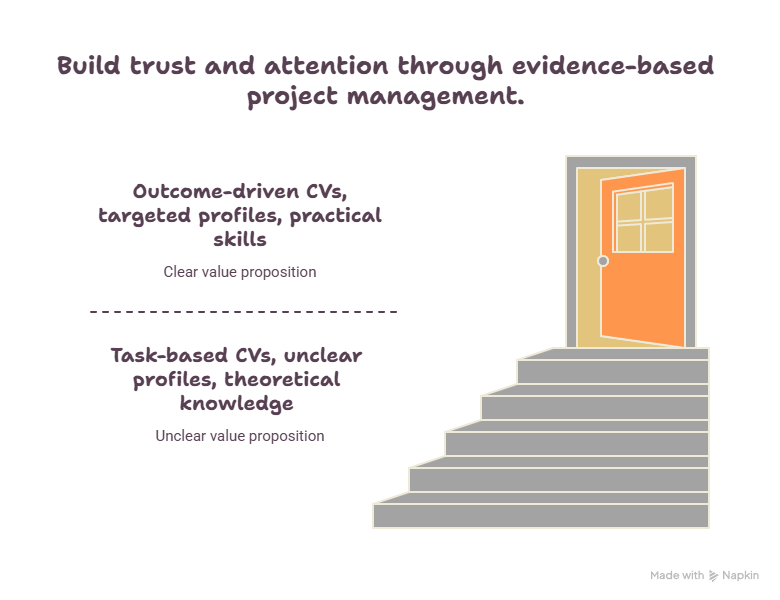
Certification creates attention; evidence creates trust. Once you pass or begin preparing, rewrite your CV around project outcomes rather than task lists. Replace “coordinated activities” with “coordinated a six-week branch rollout across five locations, tracked 42 action items, escalated vendor delays, and supported launch readiness.” Replace “worked with stakeholders” with “mapped finance, operations, vendor, and compliance stakeholders, then reduced approval delays through a weekly decision log.” This is the language of hiring. Build it with APMIC’s stakeholder engagement glossary, project monitoring and control terms, resource allocation guide, and project financial management glossary.
Your LinkedIn profile should carry the same evidence. Add a headline that names your target lane: Project Coordinator | CAPM Candidate | Agile Delivery | Fintech Projects, or Project Manager | PMP Track | Construction Delivery | Risk & Vendor Control. The headline should match the jobs you want. The About section should mention industries, project types, tools, and measurable outcomes. Nigerian recruiters scanning hundreds of applications need instant clarity. Study role positioning through APMIC’s freelance PM guide, remote PM guide, PM consultancy guide, and PM consultant career path.
For interviews, prepare five project stories: one difficult stakeholder story, one risk story, one schedule delay story, one budget or resource tradeoff story, and one benefits or lessons-learned story. Each story should follow a tight structure: project context, your responsibility, constraint, action, evidence, result. A candidate who can explain tradeoffs will beat a candidate who only recites theory. Nigerian hiring panels often want someone who can survive vendor delays, approval bottlenecks, unclear requirements, funding shifts, field realities, and executive pressure. Prepare with APMIC’s requirements control guide through PM terms, risk mitigation terms, conflict resolution terms, and TQM terms.
Tool proof matters too. Even basic competence in Microsoft Project, Excel dashboards, Jira, Trello, Asana, Monday.com, Smartsheet, Power BI, or Google Workspace can separate you from candidates who only list certification. Create screenshots from sample projects: a Kanban board, a Gantt chart, a risk heatmap, a weekly report, and a stakeholder tracker. Use APMIC’s agile tools review, Kanban software directory, Scrum tools guide, and waterfall software review to choose tools that match your target roles.
5. A Practical 90-Day Nigeria PM Certification Roadmap
Days 1-10 should be for career diagnosis. Choose one target role family: entry-level PM, IT PM, construction PM, healthcare PM, government PM, agile delivery, remote PM, PMO analyst, or consulting. Then select the certification that supports that role. This prevents wasted money and scattered preparation. Compare your chosen route against APMIC’s government PM roadmap, healthcare PM roadmap, construction PM roadmap, and IT PM roadmap.
Days 11-35 should be for structured study. Build a weekly plan around concepts, terms, practice questions, and project examples. Keep a glossary document for terms you struggle with. Nigerian candidates often lose confidence because they understand delivery from experience, yet exam language feels foreign. Close that gap with APMIC’s agile glossary, Scrum glossary, Kanban terms, and waterfall glossary.
Days 36-60 should be for mock exams and proof assets. Take practice questions, identify weak areas, and build one complete project portfolio from a real or realistic project. Your portfolio should include charter, scope baseline, schedule, risk register, stakeholder matrix, status report, budget view, change log, and lessons learned. This gives you interview depth. Strengthen the portfolio with APMIC’s project templates guide, Gantt chart terms, project reporting guide, and project closure terms.
Days 61-90 should be for exam booking, CV rewrite, LinkedIn optimization, and targeted applications. Apply to roles that match your certification route rather than blasting one CV everywhere. Track each application, job requirement, missing skill, recruiter response, and interview pattern. Treat your job search like a project. Use APMIC’s PM director roadmap, VP of PM path, CPO roadmap, and portfolio manager guide to keep your long-term career direction bigger than one exam.
6. FAQs About Project Management Certification in Nigeria
-
For beginners, a foundation-level route is usually the cleanest starting point because it builds vocabulary, structure, and confidence before advanced credentials. CAPM-style learning, Agile basics, and practical documentation skills work well for fresh graduates, NYSC members, admin staff, operations assistants, and people shifting into PM from another field. Pair the certification with APMIC’s project manager roadmap, entry-level to executive guide, project execution glossary, and project monitoring terms.
-
PMP can be worth it for Nigerian professionals who already have real delivery experience and want stronger senior PM, program, PMO, consulting, construction, banking, telecom, NGO, or international opportunities. The value rises when your CV proves measurable outcomes and your interview stories show leadership under constraints. PMP preparation also strengthens your understanding of predictive, agile, and hybrid delivery. Use it alongside APMIC’s hybrid PM forecast, future PM skills guide, AI in PM guide, and future certifications guide.
-
Choose PMP when your target roles emphasize broad project leadership, cross-functional delivery, people, process, business environment, and hybrid execution. Choose PRINCE2 when your target roles emphasize governance, approvals, stage control, business cases, public-sector delivery, consulting, or structured program environments. Some Nigerian professionals benefit from both over time, especially in infrastructure, government, enterprise transformation, and donor-funded work. Compare your goals with APMIC’s government PM guide, project governance trends, RFP guide, and vendor management guide.
-
You can enter project coordination, operations, admin, NGO, construction support, IT support, or implementation roles through experience and strong proof assets. Certification becomes more important when you want to pass filters, compete for formal PM titles, or target international roles. A strong beginner portfolio can include a project charter, stakeholder map, action tracker, schedule, risk register, and report template. Build that with APMIC’s project templates guide, risk register guide, stakeholder terms, and reporting terms.
-
Certification is especially useful in tech, banking, telecoms, construction, oil and gas services, healthcare, NGOs, government programs, consulting, education, logistics, renewable energy, and digital transformation. Each industry rewards a different mix of proof. Tech wants agile delivery and tools. Construction wants schedule, cost, procurement, and risk control. NGOs want reporting, compliance, and stakeholder management. Government delivery wants governance and documentation. Build industry depth through APMIC’s construction PM guide, healthcare PM guide, renewable energy PM forecast, and digital transformation PM guide.
-
Most Nigerian candidates should plan for 8-12 focused weeks, depending on work schedule, experience level, exam type, and English exam confidence. The study plan should combine official domains, practice questions, vocabulary review, and portfolio building. Studying only at night after work can still work when the weekly plan is realistic. Use APMIC’s agile estimation guide, sprint planning terms, EVM terms, and schedule compression guide to remove weak areas before exam week.
