
PMO Role in Organizational Success Future
Over the next five years, organizations will not ask whether they need a PMO; they’ll ask what kind of PMO will actually move revenue, resilience, and risk indicators. The traditional reporting-only office is already being disrupted by agile delivery models, AI-driven tools, and economic pressure similar to what you see in stories like Microsoft’s restructuring of project management and Blue Origin’s operational streamlining. Between 2025 and 2030, the PMO’s survival will depend on how quickly it becomes a value office that shapes strategy, not just tracks Gantt charts.
If your PMO still measures success with on-time / on-budget alone, this article will show you exactly how to re-position it as a driver of economic growth, digital transformation, and ESG outcomes, borrowing lessons from trends like AI adoption in project management, economic uncertainty and agile demand, and global inflation’s pressure on project budgets.
1. Why the PMO Is Becoming Central to Organizational Strategy
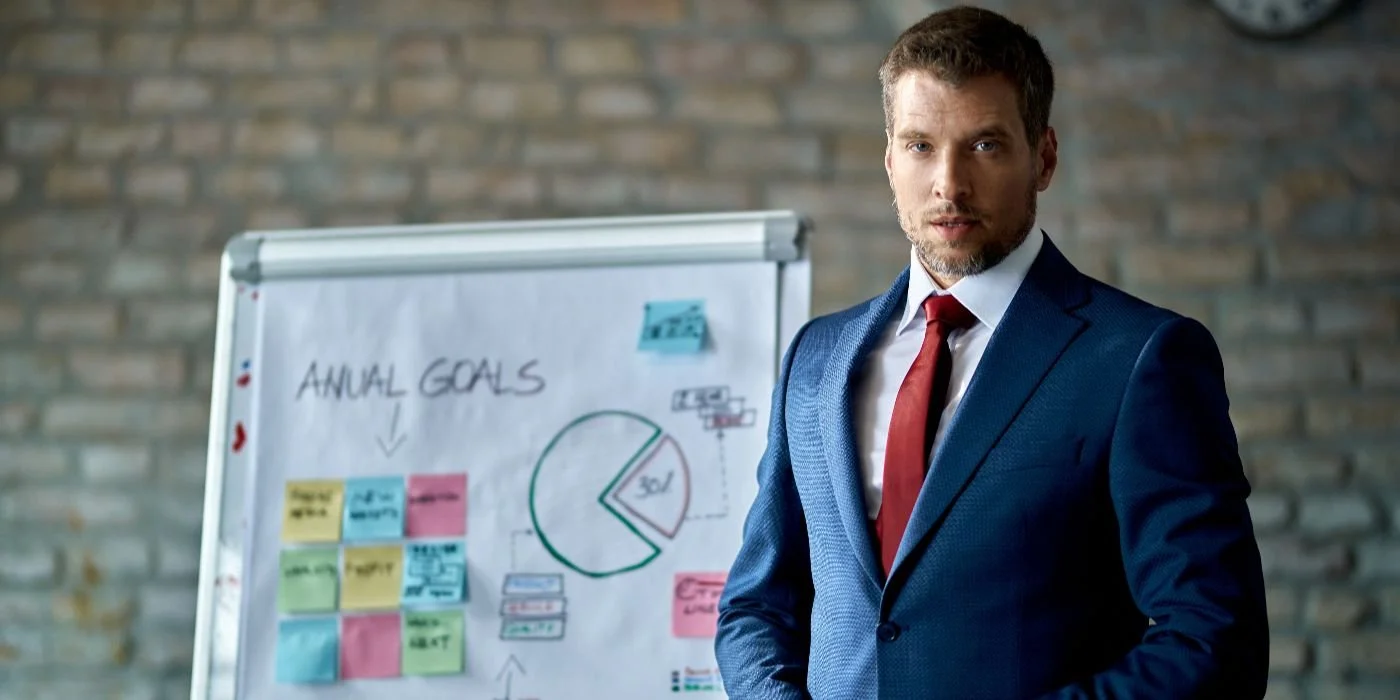
By 2030, the PMO will be judged on whether it improves business outcomes, not whether it enforces templates. Executives already see how project management can drive growth, as highlighted in project management being named a key driver of economic growth and in large, complex programs like London’s Crossrail 2 plans. A future-fit PMO ties every initiative to measurable impacts: revenue, margin, risk reduction, sustainability metrics, and customer experience.
Instead of being a gatekeeper, the PMO becomes a strategy integrator. It consolidates insights from portfolio data, operational risk indicators, and macro-signals such as sector downturns in construction or market shocks like Roberts Co entering administration. This allows leadership to prune low-value projects faster and double down on bets that align with long-term goals, such as sustainability programs described in ESG-focused project management approaches.
Strategic PMOs also serve as narrators of change. They translate complex project data into simple stories for boards and regulators, using terminology frameworks like project initiation terms and top 100 project management terms to keep communication consistent across regions and business units. This narrative function will become critical as more organizations embrace portfolio-level bets in AI, cybersecurity, and sustainability.
2. Core PMO Capabilities 2025–2030: From Reporting to Value Creation
To stay relevant, PMOs must shift from status reporting to value orchestration. That means integrating cost, schedule, risk, and benefits into a single decision framework, building on concepts from cost management terminology, project budgeting guides, and risk identification glossaries. A PMO that cannot articulate trade-offs in this language will be sidelined in investment conversations.
First, portfolio governance must become dynamic. Instead of annual portfolio freezes, PMOs run quarterly or even monthly reprioritization cycles. This mirrors how organizations respond to uncertainty in articles such as economic pressures driving project-management software investment and global inflation reshaping project budgets. Dynamic governance allows rapid funding shifts from stalled initiatives to those with validated benefits or strategic urgency.
Second, PMOs must own benefits realization as a discipline. Instead of treating benefits as an afterthought, future PMOs maintain benefits registers linked to business outcomes like revenue uplift, cost avoidance, ESG metrics, and risk reduction. This mindset aligns with agile expectations captured in global surveys on agile demand and in certifications such as PMI-ACP exam preparation. When the PMO can show that a delayed project still delivers superior benefits versus alternatives, it becomes a trusted investment advisor.
Third, future PMOs integrate product and project thinking. Many organizations are moving towards product-based structures, while still running major capital or regulatory projects, as seen in infrastructure initiatives like the Carpentaria Highway project or urban developments like the Centennial Yards program. PMOs must design governance that lets product teams iterate continuously while capital projects follow more structured delivery. This coexistence is where many organizations fail today; solving it is a major differentiator for 2030-ready PMOs.
3. How AI, Data, and Automation Will Redefine PMO Operations
By 2030, the competitive PMO will run on augmented intelligence. AI won’t replace project professionals, but it will automate low-value tasks and surface insights faster than any manual dashboard. We already see this trend in record levels of AI adoption in project management and in digital transformation accelerating across PMOs.
The first frontier is predictive analytics. With integrated tooling, PMOs can forecast schedule slippage, budget overruns, resource bottlenecks, and risk clusters by learning from historical data. This demands solid terminology foundations such as those in the project risk management glossary and advanced cybersecurity threat concepts. Forecasting lets executives choose between accelerating, re-scoping, or killing initiatives before sunk costs explode.
The second frontier is AI-assisted planning and reporting. Instead of planners spending hours crafting status decks, AI copilots generate initial drafts using standardized language and definitions aligned with project management term collections. PMO analysts then refine insights, focus on interpretation, and challenge assumptions. This shift upgrades roles from “report builders” to “decision influencers,” making the PMO more attractive for ambitious talent who also pursue credentials like PMP or PRINCE2.
The third frontier is toolchain consolidation. Many organizations currently juggle multiple, unintegrated systems, as highlighted by concerns driving project-management software overhauls for cybersecurity reasons and by experimentation with blockchain in project delivery. Future PMOs will champion a small, integrated stack that aligns with enterprise security and data strategies, eliminating shadow IT and fragmented reporting.
Before exploring ESG and governance, pause and assess the barriers blocking your own PMO’s transformation using the poll below.
4. ESG, Risk, and Governance: The PMO as Enterprise Control Tower
Between 2025 and 2030, ESG pressures, regulatory scrutiny, and supply-chain fragility will push PMOs into a control tower role. They will orchestrate environmental and social commitments alongside classic cost-schedule-scope constraints. This evolution is already visible in sustainability-led portfolios like those explored in global ESG project-management trends and in large-scale infrastructure programs such as international rail initiatives.
A future PMO must standardize ESG metrics inside project charters, risk logs, and benefits registers. That includes carbon baselines, supplier ethics scores, data-protection indicators, and social-impact goals. Without this integration, organizations risk launching “green” projects that undermine themselves through poor governance or compliance issues similar to those that lead to software overhauls after cyber incidents. Embedding ESG into risk frameworks also aligns with the terminology and mechanisms detailed in risk management glossaries.
At the same time, PMOs will play a stronger role in macroeconomic risk management. With global inflation, workforce reductions, and changing investment patterns highlighted in pieces like workforce cuts reshaping PM structures and downward trends in construction, PMOs must maintain scenario plans for funding cuts, postponements, or reprioritization. Portfolio resilience playbooks will become as standard as project risk registers.
Finally, ESG and risk expectations will increase demand for high-quality credentials. Organizations will increasingly favour PM leaders who understand frameworks endorsed by certifications like PMP vs. PRINCE2, CAPM career pathways, and PRINCE2 Foundation vs Practitioner. These credentials give PMO directors a shared language to negotiate with regulators, auditors, and partners while keeping delivery agile.

5. Building Future-Ready PMO Talent and Career Paths
The PMO of 2030 will only be as strong as the skills architecture behind it. Traditional project coordinators and schedulers will evolve into portfolio analysts, value managers, data specialists, and transformation coaches. Career paths will combine delivery expertise with business acumen and technical literacy, drawing on structured learning plans like the 30-day CAPM study guides and 4-week PRINCE2 preparation plans.
Foundational roles will still rely on certifications such as CAPM, which build vocabulary and process literacy. As professionals progress, credentials like PMP and agile-oriented designations, reinforced by resources such as top 20 CAPM exam questions and PMI-ACP question banks, become differentiators for senior PMO analyst or portfolio manager roles.
However, future-ready PMO talent must also be fluent in language beyond methodologies. They need strong grounding in cost, human-resource, and team-building concepts, which can be reinforced through references like essential HR management terms in project management and team-building terminology guides. Without this fluency, PMO leaders struggle to influence CFOs, CHROs, and COOs who make final decisions on investment and operating models.
Crucially, PMO talent must develop storytelling and influence skills. When communicating with executives about complex initiatives like global factory build-outs at scale or major urban redevelopment projects, they must connect data to a crisp narrative: what value is at stake, what risk profile is emerging, and what decision options are available. Training programs that blend exam preparation with real-world case studies from these articles create a talent pipeline that can lead PMOs through 2030.
6. FAQs: Future Role of the PMO (2025–2030)
-
PMOs will absolutely still exist, but many will rebrand and restructure into entities like “Value Office,” “Transformation Office,” or “Digital Portfolio Office.” Agile and product models do not eliminate the need for cross-portfolio governance; they increase it. Someone still needs to manage funding, risk, and strategic alignment across agile squads, product teams, and capital projects. Articles on agile demand in uncertain economies and digital transformation across PMOs show that governance evolves rather than disappears. The PMO’s form will change, but its core purpose of coordinating value delivery will become more essential.
-
Future PMOs must use a multi-dimensional scorecard that goes far beyond schedule adherence. Key dimensions include benefits realization (financial and ESG), portfolio throughput, risk posture, customer impact, and change adoption rates. Practices described in benefits-aligned economic-growth studies and inflation-driven budget adaptations demonstrate why single metrics are misleading. By tying each initiative to measurable outcomes and tracking them for 12–24 months post-go-live, PMOs can evidence their contribution to revenue, resilience, and reputation, not just delivery milestones.
-
Start with three high-leverage capabilities: portfolio visibility, benefits management, and data quality. Without a clear view of all initiatives, you cannot prioritize. Without benefits tracking, you cannot prove value. Without reliable data, your insights will not be trusted. Use terminology frameworks from project initiation and budgeting concepts to standardize how projects are defined. Then pilot benefits registers on a handful of strategic programs, learning from ESG-linked initiatives like sustainability-driven portfolios. These early wins create momentum and executive sponsorship for broader transformation.
-
Integration starts with charter design and risk logs. Make ESG metrics non-negotiable fields in project documents: emissions impact, supplier ethics, data-privacy exposure, and community outcomes. Align these with enterprise commitments referenced in sustainability-focused discussions such as global ESG project management trends. Then ensure that ESG indicators appear in portfolio dashboards alongside cost and schedule. When trade-offs arise – for example, between short-term savings and long-term ESG risk – the PMO can facilitate transparent decision-making rather than letting ESG remain a vague aspiration. Over time, you can embed ESG gates into governance, just as you do with security or regulatory checks.
-
Base credentials like CAPM and PRINCE2 Foundation will remain important for entry-level roles, supported by guides such as the 30-day CAPM study plan and PRINCE2 exam resources. For senior PMO leaders, PMP, PRINCE2 Practitioner, and agile-focused certifications like PMI-ACP will signal the ability to operate across predictive and adaptive environments, as covered in comparisons like CAPM vs PMP and PMP vs PRINCE2. Beyond certificates, leaders will also be expected to understand cybersecurity, ESG, and digital-transformation topics, using resources like APT threat overviews to bridge conversations with risk and technology teams.
-
AI will automate data collation, basic reporting, and pattern detection, freeing PMO professionals to focus on interpretation, facilitation, and strategic advice. This shift is visible in trends highlighted by AI adoption reports and digital-transformation case studies. Future PMO roles will demand skills in prompting AI tools, validating machine-generated insights, and combining them with domain knowledge from frameworks like risk glossaries and budgeting terms. Soft skills – negotiation, storytelling, and stakeholder coaching – will become even more valuable, because humans will still make the critical trade-off decisions.
-
Start by reframing the PMO charter around value, not compliance. Define a small set of outcome metrics – financial, risk, customer, and ESG – and map current projects to them. Next, redesign your governance cadence so that portfolio reviews focus on whether initiatives are still the best use of capital, drawing on examples from economic-pressure-driven portfolio shifts and agile demand under uncertainty. Finally, invest in upskilling your PMO team with certification paths spanning CAPM, PMP, and PRINCE2. Within 12–18 months, you can demonstrate a tangible shift from “project police” to value orchestrators who materially influence organizational success.
