
Ultimate Guide to Becoming a Project Portfolio Manager
Project Portfolio Management is where project execution meets business strategy. A Project Portfolio Manager is not hired to “track projects better”; they are hired to ensure the organization is investing in the right work, sequencing it intelligently, funding it responsibly, and stopping low-value initiatives before they drain capacity. If your experience is strong in delivery but weak in prioritization, portfolio finance, or executive tradeoff conversations, that gap can block your move into portfolio leadership.
This guide is built to close that gap. It shows the real skills, proof assets, career stages, and hiring signals that help you become a Project Portfolio Manager—and not just a PM with a bigger dashboard.
1: What a Project Portfolio Manager Actually Does (And Why This Role Is Different From PM and Program Manager)
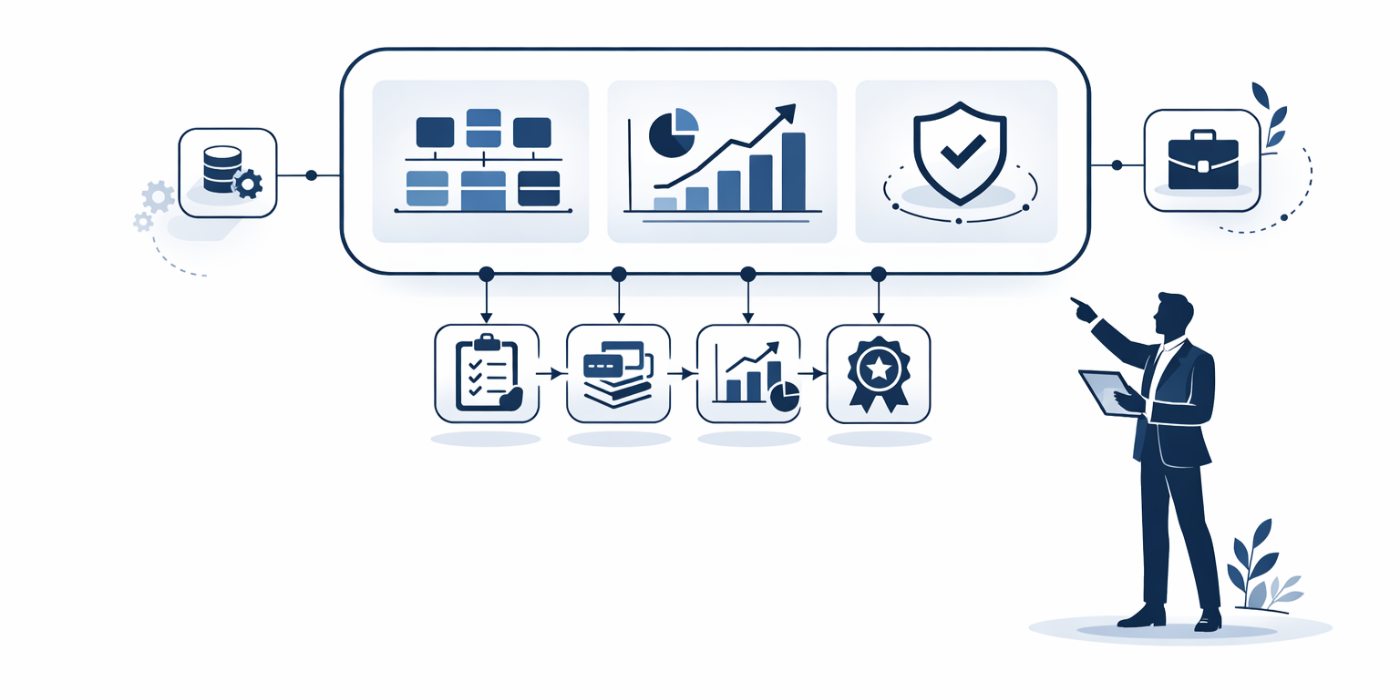
A Project Portfolio Manager sits above individual projects and programs, focusing on selection, prioritization, sequencing, governance, resource alignment, and portfolio performance. The job is less about “How do we deliver this project?” and more about “Should this project exist, when should it start, what does it displace, and how do we know the portfolio is still aligned to strategy?”
This is why professionals pursuing portfolio roles should study the full PM leadership ladder, not only execution roles, through resources like how to become a project manager, entry-level to executive PM career path, project management director roadmap, project manager to VP of PM career path, and chief project officer roadmap.
A strong Project Portfolio Manager typically owns or influences:
portfolio intake and scoring criteria
strategic alignment reviews
demand vs capacity balancing
investment sequencing and timing decisions
portfolio risk visibility and dependencies
executive portfolio reporting and decision forums
benefits tracking / value realization oversight
portfolio governance standards and escalation thresholds
Many candidates misread the role and over-index on software tools. Tools matter, but the real work is decision architecture. A portfolio manager is judged on the quality of prioritization and business tradeoffs, not just the cleanliness of reporting. To sharpen that perspective, study future of portfolio management trends, project management 2030 methodology shifts, rise of hybrid project management, future PM skills and competencies, and AI’s impact on project management by 2030.
The Most Common Career Pain Point
A lot of experienced PMs say: “I’ve run multiple projects, but employers still don’t see me as portfolio-ready.”
That happens when your resume proves execution, but not portfolio judgment. Hiring panels for portfolio roles want evidence that you can:
rank competing initiatives under constraints,
challenge weak business cases,
protect capacity from overcommitment,
design governance that drives decisions,
communicate portfolio risk in executive language.
If your examples only show schedule tracking and stakeholder coordination, you may look like a strong PM—not a portfolio leader.
2: Career Roadmap to Become a Project Portfolio Manager (Stage by Stage)
Most people do not start in portfolio roles. They grow into them by building the right sequence of execution, governance, and business decision skills. The mistake is trying to jump straight from project delivery into portfolio leadership without proof of prioritization and cross-initiative judgment.
Stage 1: Build Execution Credibility First (Coordinator / PM)
Before you can prioritize a portfolio, you need credibility from delivery. Learn schedule control, risk routines, stakeholder communication, decision logs, and change discipline. Build your baseline using how to become a project manager, remote and virtual PM career guide, top calendar and scheduling tools, best Gantt chart software reviews, and project management mobile apps.
Pain point: If leaders do not trust your project reporting, they will never trust your portfolio recommendations.
Stage 2: Move Into Complex PM / Senior PM Work
At this stage, you need to show multi-stakeholder judgment, tradeoff framing, and delivery under constraints. Domain depth starts to matter. Build context through IT project manager roadmap, construction PM guide, healthcare PM career guide, government PM roadmap, and international project manager guide.
Pain point: Many PMs become excellent at protecting their own projects, but weak at enterprise tradeoffs that may require delaying their project for portfolio value.
Stage 3: Add Program / PMO / Cross-Project Governance Experience
This is the bridge stage into portfolio management. You need experience with dependencies, shared resources, governance cadence, and executive summaries across multiple initiatives. Strengthen your systems thinking through future of PM software, best automation tools for PM efficiency, top productivity software for busy PMs, project budget tracking tools, and project knowledge management software.
Stage 4: Take Portfolio-Adjacent Responsibilities Before the Title
You do not need to wait for a portfolio title to start doing portfolio work. Volunteer to:
support intake scoring,
build a prioritization matrix,
create portfolio dashboard structure,
run monthly portfolio review agendas,
map capacity conflicts,
design escalation thresholds.
This is where your profile starts shifting from “project operator” to “portfolio strategist.” Reference broader leadership pathways like project management director roadmap, project manager to VP of PM path, chief project officer roadmap, PM consultant career path, and starting a PM consultancy firm.
Stage 5: Target Project Portfolio Manager Roles Strategically
Target environments where portfolio discipline is a real business need:
fast-growing companies with too many initiatives,
regulated industries with finite capacity,
enterprise transformation programs,
PMOs maturing from reporting to prioritization,
organizations implementing or fixing PPM governance.
3: Skills, Certifications, and Proof Assets That Make You Portfolio-Ready
Portfolio hiring panels care about three things: judgment, governance design, and business communication. Certifications can help, but only if they support those outcomes.
1) Core Skills You Need
Portfolio Prioritization and Sequencing
You must be able to rank competing initiatives with clear criteria and explain tradeoffs. This goes beyond “red/amber/green.” Build this competency using concepts from future of project portfolio management, hybrid PM future, future PM skills by 2030, AI impact on PM decisioning, and machine learning in estimation and scheduling.
Financial and Value Fluency
Portfolio decisions are investment decisions. You need comfort with funding constraints, forecast confidence, benefit tracking, and value realization conversations. Strengthen tool and reporting literacy through budget tracking software, CRM tools for PMs, top PM software for software development industry, best software platforms for PM training, and future of PM software trends.
Executive Communication and Decision Framing
Portfolio managers are constantly translating complexity into actionable recommendations. If your updates are detailed but not decision-ready, you will struggle in interviews and on the job.
2) Certifications That Can Help (When Used Correctly)
PMP: Strong foundation for process discipline and credibility, especially if paired with multi-project leadership. Use PMP certification exam guide, top 50 PMP questions, 30-day PMP study plan, PMP exam day survival guide, and PMP vs PRINCE2.
PRINCE2: Useful in governance-heavy organizations and structured environments. Use PRINCE2 exam guide, PRINCE2 exam questions, Foundation vs Practitioner guide, PRINCE2 success stories, and 4-week PRINCE2 study plan.
Agile / PMI-ACP / Scrum credentials: Helpful when portfolio mix includes agile delivery and digital products. Use PMI-ACP exam questions, PMI-ACP 30-day prep, CSM guide, Scrum vs Agile certification, and Agile coach career path.
3) Proof Assets That Increase Interview Conversion
This is the part most candidates skip. Build sanitized examples of:
portfolio intake template,
prioritization scoring model,
capacity-demand heatmap,
portfolio dashboard,
risk/dependency escalation framework,
quarterly portfolio review deck,
value realization tracker,
“pause/stop/continue” decision criteria,
stakeholder decision memo.
These assets make it easier for hiring panels to picture you doing the role.
Portfolio careers accelerate when you fix one blocker first—then build evidence that hiring panels can trust.
4: A 12–18 Month Action Plan to Become a Project Portfolio Manager
You do not need to wait for a formal PPM title to become portfolio-ready. You need a staged plan that creates visible portfolio evidence.
Months 1–3: Audit Your Current Experience and Identify Gaps
Review your last 10–15 projects/programs. Pull examples where you influenced prioritization, sequencing, resource allocation, risk escalation, or portfolio visibility. Rewrite your achievements in portfolio language. Use portfolio manager guide, project management director roadmap, PM consultant path, entry-level to executive PM path, and future PM competencies as positioning references.
Months 4–6: Build One Real Portfolio Framework at Work
Pick one pain point your organization already feels:
too many initiatives,
conflicting priorities,
unclear executive visibility,
resource collisions,
weak intake discipline.
Then build one framework:
intake scoring model,
capacity heatmap,
portfolio dashboard,
review cadence,
decision memo template.
Even a lightweight framework creates a strong interview story if it improved decisions or reduced noise.
Months 7–12: Expand Into Portfolio Governance and Executive Communication
Start facilitating recurring portfolio reviews, even if you are supporting a PMO lead or director. Improve agenda design, decision capture, and escalation thresholds. Practice concise executive reporting. Support this with top calendar and scheduling tools, project knowledge management software, best automation tools for PM efficiency, top productivity software for PMs, and best mobile collaboration apps.
Months 12–18: Apply Selectively and Position Yourself as Portfolio-Ready
Target roles where your experience aligns with portfolio needs. Tailor your profile by industry and geography using California PM careers, New York PM career guide, Texas PM careers guide, Florida PM job market insights, and Washington state PM opportunities.
You can also target metro markets strategically using NYC PM careers, Los Angeles PM opportunities, Chicago PM career analysis, Dallas-Fort Worth PM job market, and Georgia PM opportunities.

5: Resume, Interview, and Networking Strategy for Project Portfolio Manager Roles
Resume: Show Portfolio Decisions, Not Just Project Execution
A portfolio-ready resume should emphasize:
prioritization decisions,
capacity and demand balancing,
executive portfolio reporting,
governance design,
cross-initiative dependency management,
value/risk tradeoff framing.
Weak PM-style bullet:
“Tracked status across multiple projects and prepared reports.”
Portfolio-ready bullet:
“Designed portfolio review cadence and prioritization dashboard across 18 initiatives, improving executive visibility into capacity conflicts and sequencing risks.”
Use language benchmarks from portfolio manager guide, project management director roadmap, PM consultant path, future portfolio trends, and future PM software trends.
Interviews: Prepare Portfolio Stories, Not Delivery Stories
Hiring panels will test:
prioritization under constraints,
capacity conflict resolution,
executive communication,
governance design,
decisions to delay/pause/stop work,
portfolio recovery and re-sequencing.
Prepare 8–10 stories with this structure:
Portfolio context and business stakes
Constraint (capacity/funding/dependency/risk)
Your framework or decision method
How you aligned stakeholders
Outcome and business impact
What changed in portfolio governance afterward
If your answer ends at “we delivered,” you are still answering like a PM. Portfolio stories should end with a governance or prioritization improvement.
Networking: Target Portfolio Decision-Makers
Do not network randomly. Focus on:
PMO Directors,
Portfolio Managers,
Heads of Transformation,
Delivery Directors,
Strategy execution leaders,
PMO recruiters in your target industry.
Use adjacent APMIC pathways to expand opportunity mapping, including freelance PM career roadmap, remote PM roles guide, project management consultant roadmap, ultimate PM consultancy firm guide, and global PM salary report.
6: FAQs About Becoming a Project Portfolio Manager
-
A Program Manager focuses on coordinating related projects to deliver a common outcome. A Project Portfolio Manager focuses on selecting, prioritizing, sequencing, and governing which programs and projects should receive attention and resources across the organization. Program management optimizes delivery of grouped work; portfolio management optimizes investment and strategic alignment across all work. For role progression context, compare project management director roadmap, project manager to VP of PM path, chief project officer roadmap, PM consultant career path, and future portfolio management trends.
-
Not always, but PMP is often helpful because it signals PM discipline and common vocabulary. The bigger issue is whether you can prove portfolio judgment—prioritization, capacity balancing, executive reporting, and value-based decisions. If you pursue PMP, pair it with portfolio proof assets. Helpful resources include PMP exam guide, PMP exam questions, PMP vs PRINCE2, CAPM vs PMP, and salary comparison by certification.
-
The most important skills are prioritization logic, capacity planning, executive communication, portfolio governance, and risk/dependency visibility. Tool familiarity helps, but hiring panels usually prioritize decision quality over tool depth. To build these skills, study future PM competencies, future of PM software, best automation tools for PM efficiency, project budget tracking tools, and project knowledge management software.
-
Yes—and PMO roles are often one of the strongest paths into portfolio management because they expose you to governance, reporting standards, executive reviews, and cross-project visibility. The key is to move beyond reporting into prioritization and tradeoff support. Build your transition plan using project management director roadmap, portfolio manager guide, PM consultant path, entry-level to executive PM path, and future portfolio management trends.
-
Industries with complex investment decisions, limited capacity, and competing initiatives tend to value strong portfolio managers the most. That includes IT, healthcare, construction, government, and enterprise transformation-heavy environments. Domain fluency can significantly improve your portfolio credibility. Explore sector pathways through IT PM roadmap, healthcare PM guide, construction PM guide, government PM roadmap, and international PM guide.
-
Lead with achievements that show portfolio-level impact: prioritization frameworks, executive portfolio reviews, capacity-demand balancing, governance redesign, and value/risk tradeoffs. Do not bury these under software lists or generic PM tasks. A hiring manager should quickly see that you can support strategic decisions, not just track execution. For positioning support, review portfolio manager guide, project management director roadmap, PM consultant career path, global PM salary report, and future PM skills.
