
Rise of Hybrid Project Management 2025
Hybrid project management is winning because organizations are tired of choosing between speed and control. Pure Agile can move fast but gets messy when compliance, procurement, and dependencies pile up. Pure Waterfall can feel safe but turns into slow motion when priorities shift weekly. In 2025, the best PMOs are blending the two into a single operating system that protects governance while accelerating delivery. This forecast explains what hybrid will look like through 2030, how to structure it, where most teams fail, and how to build a hybrid playbook that survives scrutiny and still ships outcomes.
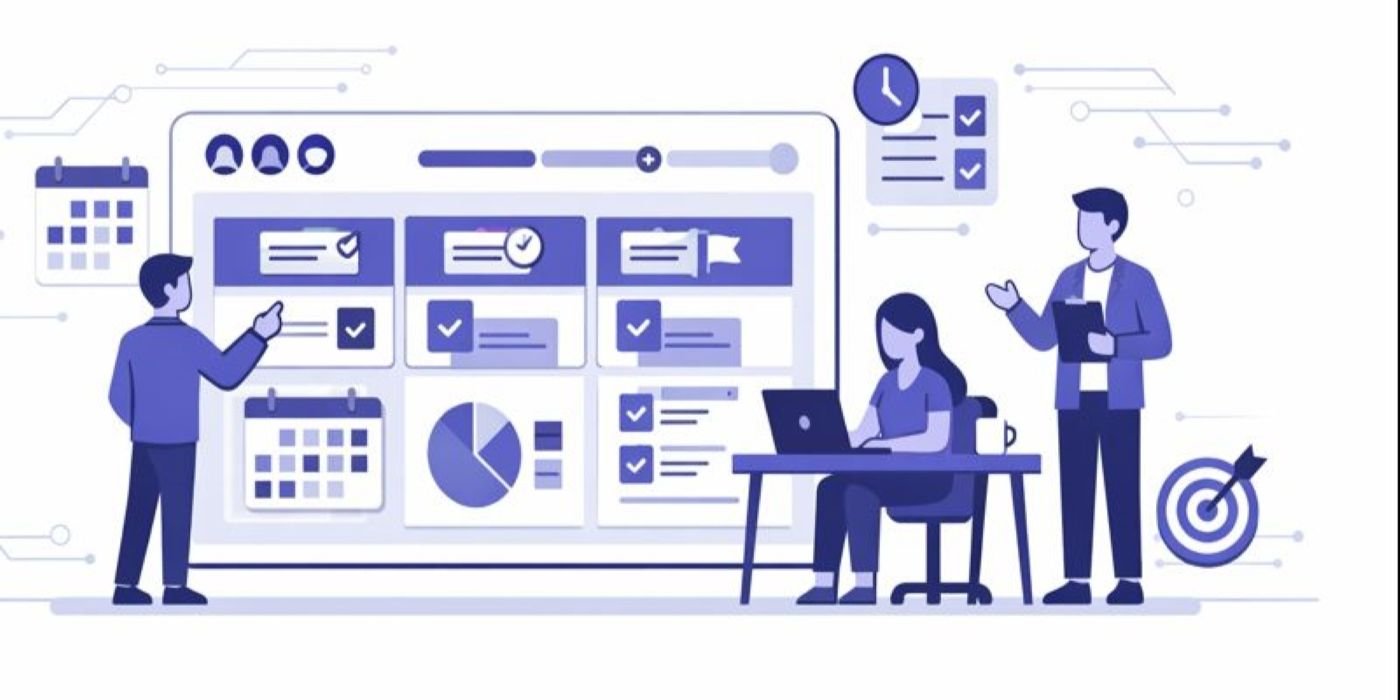
1) Why Hybrid Is Rising Fast in 2025 and Why It Will Dominate by 2030
Hybrid is not a compromise. It is a response to pressure that is now permanent. Economic volatility pushes leaders to demand faster proof of value, which is why you see the market signal in economic uncertainty driving Agile demand and the broader pattern in a global survey on Agile adoption. At the same time, governance is tightening because risk is rising, which is why teams keep investing in stronger controls like those discussed in the project risk management glossary and practical language in risk identification terms.
If you are leading transformation work, you can feel the tension. Delivery teams want shorter cycles and fewer approvals. Compliance and security teams want traceable decisions and predictable sign offs. Finance wants ROI clarity and budget discipline, which is why foundational definitions in project budgeting terms and execution language in cost management terms matter more than ever. Hybrid wins because it gives each stakeholder what they need without forcing the whole organization into one ideology.
Hybrid also fits how companies are restructuring. When organizations flatten layers and cut management overhead, coordination work must become standardized and tool driven. That pattern shows up in efficiency moves like organizational PM structure changes and similar streamlining in operational restructuring news. When there are fewer coordinators, you need a delivery system that is repeatable and self enforcing.
Another reason hybrid rises is tool maturity. PMOs are adopting integrated platforms because manual reporting is too slow, which you can see in the shift toward PM software investment and the acceleration of digital transformation across PMOs. Hybrid makes tooling cleaner because it defines what must be controlled and what can move dynamically.
Finally, risk is no longer optional to manage. Cybersecurity events can freeze delivery pipelines, which is why signals like major cybersecurity concerns prompting PM software overhaul matter for any modern PMO. Hybrid bakes in the gates that protect production while still letting teams iterate on safer components quickly.
Right now, the biggest hybrid mistake is thinking it means “Agile inside, Waterfall outside.” That creates two worlds that do not talk. Real hybrid is a single operating model with shared language, consistent decision rights, and measurable outcomes grounded in strong initiation practices like project initiation terms and a shared vocabulary like top PM terminology.
2) The Hybrid Blueprint: What Stays Waterfall, What Goes Agile, What Gets Blended
Hybrid works when you separate what must be predictable from what must be adaptable. Predictable does not mean slow. It means controlled. Adaptable does not mean chaotic. It means measured and iterative.
Keep Waterfall strengths for components that are expensive to reverse. That usually includes regulatory commitments, external contractual milestones, safety critical deliverables, and integration cutovers. These areas benefit from tight initiation practices like project initiation definitions and portfolio clarity that comes from shared terms like top PM vocabulary. This is also where risk discipline from the risk management glossary matters because uncertainty must be surfaced early, not hidden until late.
Use Agile strengths for components that are discovery heavy. Customer experience work, internal tooling, analytics dashboards, and product improvements usually need iterative learning. The case for that is supported by the market signal in rising Agile demand and the pressure created by economic uncertainty. Agile enables teams to test value and adjust based on evidence rather than opinions.
Blend them through milestone based planning. The hybrid trick is to lock milestones, guardrails, and decision rights while letting teams adjust how they reach outcomes. You keep executive confidence with predictable checkpoints and you keep delivery speed through rolling wave planning. To keep this credible, you need strong cost language from budgeting terms and real cost control thinking from cost management definitions. Without that, hybrid becomes a convenient excuse for missed forecasts.
A good hybrid system also clarifies roles. Many teams fail because they confuse Scrum roles with enterprise accountability. If you are blending delivery, you must define who owns value, who owns delivery execution, and who owns technical quality, while still respecting fundamentals like Scrum roles and responsibilities. Role confusion causes delays that no methodology can fix.
Finally, hybrid must not ignore team dynamics. Hybrid requires high coordination across different cadence speeds. If your teams are not built for collaboration, you will get dependency bottlenecks. Strengthen that foundation using team building terminology and the people side language in human resource management terms. Hybrid is a team sport and weak collaboration creates real schedule risk.
3) Hybrid Governance, Risk, and Budgeting: How to Go Faster Without Losing Control
Hybrid governance is about speed with proof. It replaces opinion status with evidence status. That shift matters because executives no longer accept surprises. Restructuring and cost pressure make leadership less patient, which mirrors signals like organizational restructuring for efficiency and similar reductions like streamlined operations.
Start with risk tiering. Every initiative needs a risk rating that determines how much governance is required. High risk initiatives get formal gates and documentation. Low risk initiatives get lighter approvals and faster decision cycles. This becomes practical only when everyone uses the same language from the risk management glossary and understands the meaning of key concepts from risk identification terms. If each team defines risk differently, governance becomes a debate, not a system.
Build a decision register. Hybrid dies when decisions are not recorded and the organization rewrites history later. Use a single decision log that captures what was decided, the tradeoff accepted, and the date. This aligns with stronger initiation discipline in project initiation terms. It also makes steering committees actually useful because time goes into decisions, not re explaining context.
Budgeting must shift from one time commitments to outcome based funding. You can still plan Capex, but you must release funds based on evidence, not slide decks. That is why budget and cost language from project budgeting terms and cost management terms must be embedded into hybrid governance. If you cannot tie spend to measurable outputs, hybrid becomes vulnerable in portfolio reviews.
Forecasting needs to combine plan metrics and flow metrics. Waterfall milestones matter. Agile throughput matters. Hybrid uses both. The goal is predictive control. This is where tooling investment and AI become accelerators, which fits the wider patterns of PM software investment and the expansion of AI adoption in PM. Use AI to spot risk signals early, but keep governance human accountable.
Security and resilience must be part of your hybrid gates. In many organizations, security reviews land late and become blockers. That pain is why signals like cybersecurity concerns driving software overhauls matter. A hybrid PMO should schedule security deliverables early and define readiness gates that prevent last minute panic while still letting teams iterate safely on low risk components.
4) Hybrid Tooling and Metrics That Predict Outcomes Instead of Reporting Opinions
Hybrid PMOs win when tooling turns delivery into observable truth. The goal is not more dashboards. The goal is fewer meetings where people argue about status. Evidence based status means progress is tied to completed acceptance, test results, and measurable outcomes.
Start with a single source of truth. Tool fragmentation kills hybrid because Waterfall plans live in one place and Agile work lives in another, so leadership sees mismatched realities. That is why organizations are investing in integrated systems, reflected in PM software investment trends and the broader push toward digital transformation of PMOs. If you cannot reconcile plan and flow, hybrid becomes a political argument.
Then define a hybrid metric set. You need milestone predictability, dependency health, risk movement, throughput, and outcome measures. Keep risk measurable by using definitions from the project risk glossary and the language in risk assessment terms. Keep cost measurable by grounding forecasts in budgeting terms and using cost management terms to standardize variance explanations.
AI becomes a multiplier when used correctly. AI can summarize delivery signals, detect anomalies, and highlight emerging risks, which aligns with AI adoption trends in project management. The disciplined way to use AI is to treat it as an early warning system, not a decision maker. If AI flags risk, humans confirm, document, and act.
Security telemetry must be part of metrics. When cyber requirements become late surprises, delivery slows and trust drops. The market is reacting to these realities, which is clear in cybersecurity concerns prompting PM software overhaul. Hybrid teams should track security stories, approval aging, and readiness gate pass rates, so compliance stops being a last minute wall.
Finally, portfolio rationalization becomes a recurring cadence. Hybrid works best when the portfolio is not overloaded with duplicate initiatives. That is why restructuring stories like internal framework changes matter. Hybrid PMOs will increasingly use dependency mapping and quarterly cut decisions to keep delivery realistic under cost constraints.

5) Roles, Skills, and Certifications That Win in Hybrid (2025 to 2030)
Hybrid is a skill profile, not a template. The PM who thrives in hybrid can translate between executive governance language and delivery reality without distortion.
First, strengthen initiation and scope clarity. Hybrid collapses when scope stays vague. Build your baseline using project initiation terms and a shared vocabulary like top PM terms. When you define outcomes and guardrails clearly, Agile teams move faster and Waterfall stakeholders feel safer.
Second, develop risk fluency. In hybrid, the fastest PM is not the one who pushes hardest. It is the one who anticipates risk and resolves it early. Use the risk management glossary and risk identification terms to make risk visible and actionable. Risk that stays vague becomes a delay later.
Third, tighten cost and forecasting capability. Hybrid PMs must speak finance because iterative delivery scares finance when it is not measured. Anchor your budgeting language in project budgeting terms and execute with clarity using cost management terms. The PM who can explain variance with evidence keeps leadership calm.
Certification wise, hybrid often benefits from understanding both predictive and structured governance. Compare pathways using PMP vs PRINCE2. If your environment is governance heavy, PRINCE2 structure helps, supported by the PRINCE2 exam guide and level clarity in Foundation vs Practitioner. If you operate in complex cross functional programs, PMP leadership skills matter, and readiness can be sharpened with the PMP exam day survival guide.
If you are earlier in your career, CAPM builds structured fundamentals that help you survive hybrid environments where everyone expects precision. The CAPM passing guide and career clarity from CAPM vs PMP can help you pick the right path. If your delivery context leans adaptive, expand your Agile literacy by reviewing Agile demand signals and grounding execution roles through Scrum responsibilities.
Finally, hybrid requires people leadership. Your biggest blockers will be dependency friction and role conflict, not tool gaps. Strengthen team health using team building terminology and improve resourcing clarity through human resource management terms. Hybrid fails when teams do not trust the system.
6) FAQs: Hybrid Project Management in 2025 and Beyond
-
The clearest sign is when the organization must move fast but also prove compliance, security, or financial discipline. If teams can iterate but releases keep getting blocked by late approvals, hybrid is needed. Use a risk based approach grounded in the project risk glossary and clarify what must be controlled versus what can be iterative using language from project initiation terms. Hybrid becomes the operating system that stops that friction.
-
You prevent it by keeping milestones and guardrails fixed while allowing scope inside those guardrails to shift based on evidence. Forecasts must be updated with discipline using project budgeting terms and explained clearly through cost management terms. Hybrid requires honest variance explanations and a decision register so changes are traceable.
-
Use two speed governance. Low risk work gets fast approvals with clear thresholds. High risk work gets structured gates with owners and deadlines. This only works when risk is defined consistently through the risk management glossary and teams share definitions from risk assessment terms. Governance should create speed, not delay, by making decisions earlier.
-
Track a small set that covers both plan and flow. Milestone predictability, dependency aging, risk movement, throughput, and outcome measures that reflect business value. Tie cost visibility to budgeting terms and keep variance consistent through cost management terms. Use tooling aligned with PM software investment trends and PMO digital transformation to reduce manual reporting.
-
Use AI for early warning, summarization, and anomaly detection, not for approvals or final decisions. This aligns with AI adoption trends in PM. The rule is simple: AI can suggest, humans decide, and decisions are documented. This preserves accountability and prevents AI outputs from becoming invisible drivers of governance outcomes.
-
Hybrid leaders often benefit from understanding both structured governance and adaptive delivery. Use PMP vs PRINCE2 to choose based on your environment. If you are governance heavy, PRINCE2 plus the PRINCE2 exam guide can help. If you lead complex enterprise programs, PMP skills matter and you can sharpen execution with the PMP exam day guide. Earlier career PMs can build strong fundamentals through the CAPM guide and direction through CAPM vs PMP.
