
How to Become a Project Manager: Complete Step-by-Step Career Roadmap (2026-27)
How to become a project manager is a question many people ask too late and answer too vaguely. In 2026-27, employers are not rewarding people who simply know project management vocabulary. They are rewarding professionals who can coordinate people, protect timelines, control scope, manage risk, communicate clearly, and move work forward when conditions get messy. That distinction matters because the market is crowded with people who want the title, but much thinner when it comes to people who can actually deliver.
This roadmap is built for that reality. It is not a motivational overview. It is a practical, high-value guide to building real project management credibility step by step, choosing the right entry path, avoiding weak positioning, and turning scattered experience into a profile that hiring managers trust.
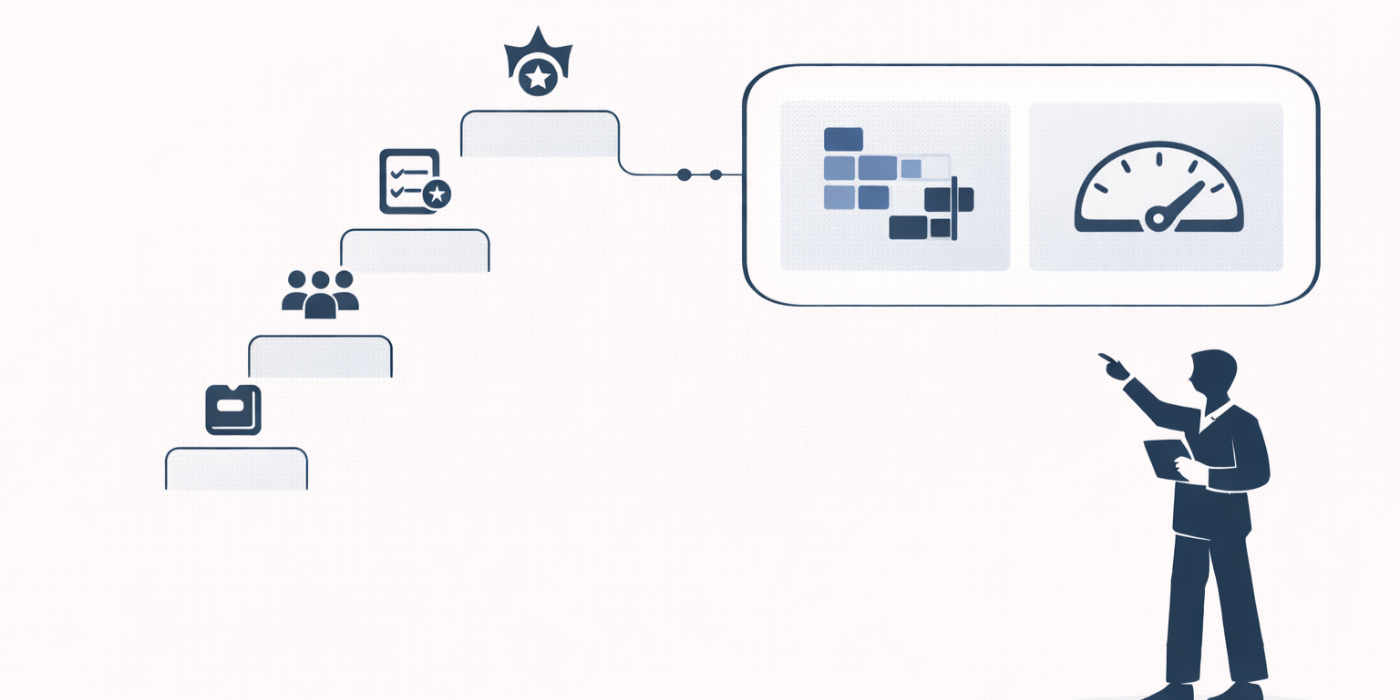
1. Understand What Project Managers Actually Do Before You Chase the Title
The fastest way to waste time in this field is to build your plan around the job title instead of the job itself. A project manager is not just a meeting host, deadline tracker, or task updater. A real project manager converts business goals into execution structure. That means defining scope, aligning stakeholders, sequencing work, anticipating blockers, protecting priorities, tracking budgets, handling changes, and making sure the work finishes with business value intact.
That is why many people who think they are “not ready” for project management are actually already doing parts of it. Team leads, coordinators, operations staff, business analysts, administrative professionals, implementation specialists, support leads, and junior delivery staff often handle planning, follow-ups, documentation, communication, escalation, and progress control long before they formally get the PM title. The issue is not always lack of experience. It is often lack of packaging and lack of roadmap.
To understand the broader path, it helps to study from entry-level to executive, see how long-term growth works in career roadmap how to become a project management director, compare specialist and strategic growth through ultimate guide to becoming a project portfolio manager, and understand senior leadership progression in step-by-step guide career path from project manager to vice president of PM and detailed roadmap how to become a chief project officer CPO.
Another mistake beginners make is assuming all project managers do similar work. They do not. An IT project manager, a construction project manager, a healthcare project manager, a government project manager, and an international project manager operate in different environments with different proof requirements. If you do not understand the operating context, you will build the wrong resume, pursue the wrong certification, and tell weak stories in interviews.
The real starting point is brutally simple: learn the work, not the buzzwords. If you can explain how projects are initiated, planned, staffed, tracked, escalated, adjusted, and closed, you are building a real foundation. If you can only explain agile ceremonies and generic leadership statements, your foundation is weak.
2. Choose the Right Entry Point Based on Your Current Background
Most people delay progress because they keep looking for a perfect starting point. There is no perfect starting point. There is only the smartest next move from where you are now.
If you are early in your career, the best entry roles are often coordinator, project assistant, PMO analyst, implementation associate, operations coordinator, delivery support, or junior analyst positions that expose you to execution rhythms. These roles teach you what real work feels like: updates that are late, stakeholders who disagree, priorities that clash, dependencies that break, and reporting that has to stay clear anyway. That exposure matters more than glamorous titles.
If you are switching careers, your job is to translate your existing work into PM value. Customer operations can become stakeholder management. Administrative scheduling can become timeline coordination. Process documentation can become governance support. Cross-team follow-up can become execution control. The market does not reward your old job title; it rewards the transferable delivery logic behind it.
That is why you should study adjacent pathways such as career path to a project management consultant, career roadmap how to build a successful freelance project management career, detailed career guide to remote and virtual project management roles, ultimate guide to starting a project management consultancy firm, and detailed career path how to become an agile coach. Not because you need those end goals immediately, but because they reveal how different PM careers branch from the same core skills.
You also need to decide whether your strongest path is domain-led or discipline-led. A domain-led path means you enter project management through industry knowledge such as IT, healthcare, construction, operations, or government. A discipline-led path means you enter through PM mechanics like scheduling, PMO support, coordination, agile delivery, or reporting. Both routes work. The mistake is not choosing one and ending up with a vague profile.
A powerful early-career strategy is to become unusually strong at the unglamorous parts of delivery. Learn how to write status updates people can act on. Learn how to spot slippage before it becomes public pain. Learn how to structure meeting notes so decisions do not vanish. Learn how to organize milestones, issues, owners, dates, and next steps without confusion. People underestimate these skills until they work with someone who lacks them.
3. Build the Core Skills, Tools, and Certifications That Employers Actually Respect
A serious PM profile is built on execution skills first, certification second, and software third. Many candidates reverse that order and wonder why they still look weak.
Your first skill cluster is planning and control. You need to understand scope, tasks, sequencing, dependencies, risks, issues, timelines, priorities, and change handling. Your second cluster is communication and stakeholder management. You need to write clearly, ask sharper questions, escalate without drama, and align people who do not naturally agree. Your third cluster is governance. That includes status reporting, decision tracking, accountability, action follow-ups, and meeting cadence. Your fourth cluster is commercial and operational awareness. You should know how delays affect cost, how scope affects workload, and how poor communication creates hidden project damage.
To build that foundation, spend time with essential project communication terms and techniques, critical project stakeholder terms every PM should master, essential contract management terminology for project managers, best project reporting and analytics software for PMs, and top dashboard and data visualization tools for projects. These are not side topics. They are the language of adult project work.
On tools, you need practical fluency with scheduling, collaboration, documentation, and tracking systems. That means exploring best project management software for small businesses, top resource allocation software solutions for PMs, definitive guide to project issue tracking software, best document management software for project teams, top calendar and scheduling tools for project managers, best Gantt chart software solutions, top project budget tracking software tools, and best automation tools for project management efficiency. Employers do not need you to memorize tool menus. They need you to use tools to make work visible and controllable.
Now certifications. For true beginners, CAPM can help create structure and credibility, especially when paired with actual project examples. Explore ultimate guide to passing the CAPM exam, top 20 CAPM exam questions clearly answered, and complete 30-day study plan to ace your CAPM certification. For professionals with more experience, PMP becomes more relevant, so review ultimate PMP certification exam guide, top 50 PMP exam questions answered clearly, and 30-day PMP exam study plan. If your target roles are governance-heavy, compare with PMP certification vs PRINCE2, comprehensive PRINCE2 certification exam guide, and PRINCE2 Foundation vs Practitioner. If you lean agile, study complete guide to becoming a certified Scrum Master CSM, scrum vs agile certification comparison, and how to prepare for the PMI-ACP exam in 30 days.
The smartest PM careers start when you identify one blocker, fix it hard, and build proof that makes employers trust your execution.
4. Turn Experience Into a Resume, Portfolio, and Interview Story That Wins Trust
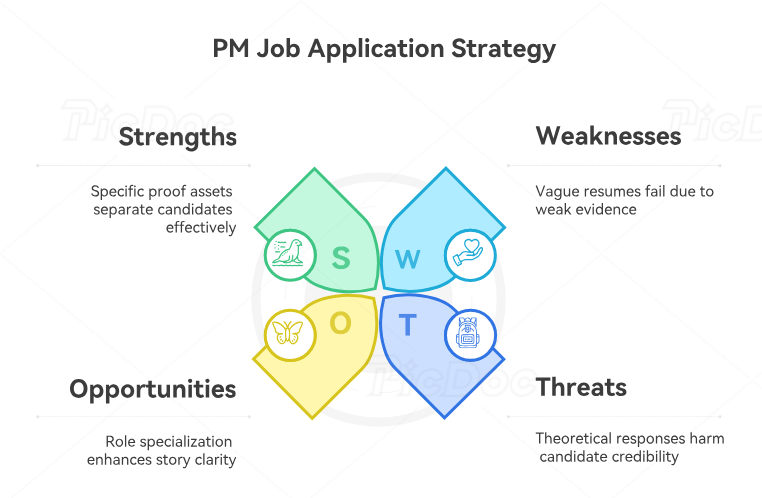
Most applicants do not lose because they lack all the right experience. They lose because their proof is weak, buried, or badly translated.
Your resume should not read like a job description. It should read like controlled delivery. That means replacing vague claims with execution evidence. Instead of “coordinated cross-functional teams,” show what you coordinated, why it mattered, and what control you maintained. Instead of “managed timelines,” show what deadlines were at risk, how you tracked them, and what changed because of your intervention. Hiring managers trust candidates who sound specific because specifics feel lived.
Create proof assets even if employers do not explicitly ask for them. A one-page project summary. A sanitized status report. A risk log template. A stakeholder map. A sample implementation plan. A milestone dashboard. A short case study showing the problem, actions, constraints, and outcome. These assets instantly separate you from candidates who only speak in abstractions.
To strengthen those assets, review ultimate guide to project knowledge management software, top 15 project management mobile apps for on-the-go PMs, best mobile collaboration apps for project teams, top productivity software for busy project managers, and best software platforms for project management training. The goal is not to collect platforms. It is to make your work cleaner, more visible, and more interview-ready.
Interviewing for PM roles requires another shift. Stop talking like a student and start talking like an operator. Employers want to know how you think when work becomes unclear. They want to hear how you prioritized when everything looked urgent, how you escalated when owners slipped, how you handled conflicting stakeholders, and how you rebuilt momentum after delays. If your answers stay theoretical, they will assume your execution is theoretical too.
This is why specialization helps. A clearer target role creates clearer stories. Someone targeting government project management should emphasize governance, documentation, approvals, and compliance. Someone targeting IT project management should emphasize dependencies, release coordination, technical stakeholders, and change control. Someone targeting healthcare project management should show implementation discipline in regulated settings. Someone targeting construction project management should show scheduling, procurement, safety awareness, contractor management, and site coordination.
5. Build a Long-Term PM Career Path Instead of Stopping at the First Job
Getting the first PM title matters, but treating it as the finish line is how careers stall early.
A strong project management career is built in layers. Layer one is execution reliability: planning, coordination, communication, tracking, and follow-through. Layer two is complexity handling: larger stakeholders, larger budgets, more dependencies, more ambiguity, more consequences. Layer three is leadership leverage: governance design, portfolio thinking, prioritization, executive communication, and organization-wide delivery influence. If you do not think in layers, you may get promoted in title without growing in value.
This is where future-oriented reading matters. Explore project management 2030 predicting the next decade’s dominant methodologies, rise of hybrid project management, future of project portfolio management top trends, AI and project management top innovations, future project manager skills and competencies needed by 2030, and how automation and AI will transform project management careers. The project managers who stay valuable are the ones who grow with the market instead of clinging to old process habits.
You also need salary and market awareness. Understanding how credentials, specialization, and geography influence compensation helps you make better bets. Review global project management salary report, project manager salary comparison by certification, project management careers in California, project management careers in Texas, and New York City project management salaries, employers, and certifications. Even if you are not targeting those markets, studying them sharpens your understanding of how employers value project talent.
The real advantage in 2026-27 will not come from sounding impressive online. It will come from being the person who can reliably take fuzzy priorities, turn them into structured work, and deliver outcomes with less chaos, less waste, and more confidence. That is what employers promote. That is what clients remember. That is what makes a PM career durable.
6. FAQs
-
You do not always need a specific project management degree. Employers care more about delivery evidence, communication strength, organizational control, and role fit. Degrees can help, especially in technical or regulated sectors, but many successful PMs enter from operations, administration, business analysis, technical support, healthcare, government, and construction-adjacent roles. The more important question is whether you can show structured execution.
-
Yes, and this is extremely common. Many candidates already have transferable PM experience without formal titles. If you have coordinated timelines, tracked tasks, documented actions, aligned stakeholders, handled follow-ups, or supported implementations, you likely have raw material to build from. The key is translating that work into project language with specific outcomes, controls, and examples.
-
For many beginners, CAPM is often the cleanest first step because it creates structure and gives you recognized terminology. If your target market heavily values governance, PRINCE2 can also be useful. If you are entering through agile teams, Scrum-focused certifications may help. The best certification is the one that supports your target role and is paired with proof of real work, not just exam success.
-
That depends on your starting point. Someone with transferable coordination or operations experience may become interview-ready within months if they repackage their experience, build proof assets, and target the right roles. Someone starting from scratch may need longer to learn the lifecycle, tools, reporting, and stakeholder mechanics. The timeline matters less than whether you are building credibility in the right order.
-
Clear writing, follow-up discipline, stakeholder expectation management, risk visibility, prioritization, escalation judgment, and documentation quality matter far more than most beginners expect. Many applicants focus on confidence and leadership language while ignoring the quiet mechanics that keep projects under control. Employers notice those mechanics immediately.
-
Yes, but the market is becoming less forgiving of generic candidates. Organizations still need professionals who can deliver complex work across teams, tools, vendors, deadlines, and shifting priorities. The advantage now goes to people who combine execution discipline, specialization, tool fluency, and strong communication. Project management remains a strong path, but it rewards substance more than ever.
