
Asia-Pacific Project Management Trends: Original 2026-27 Market Analysis
Asia-Pacific in 2026–27 is the world’s most “compressed” project environment: faster urbanization cycles, higher infrastructure + digital spend, tighter talent markets, and multi-country delivery complexity all at once. That mix rewards project managers who can run hybrid governance, execute with cross-cultural precision, and make decisions under supply-chain, regulatory, and currency volatility. This analysis breaks APAC trends into hiring signals, delivery models, tooling stacks, and sector-specific plays—so you can position your career (or PMO) for the next 18–24 months with proof-based moves, not guesswork.
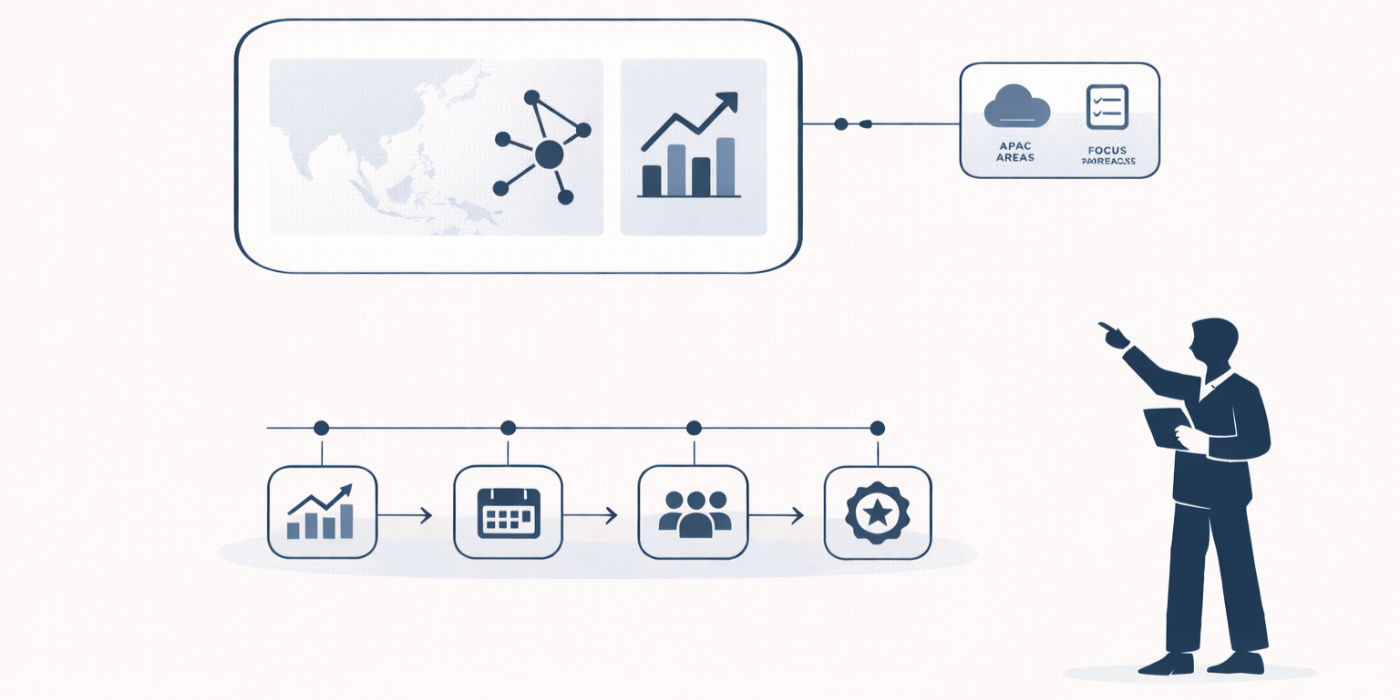
1) APAC 2026–27: What’s Changing in How Projects Get Funded, Governed, and Delivered
APAC is not one market. It’s a portfolio of very different risk profiles—Japan’s maturity and quality culture, India’s scale and speed, ASEAN’s regional integration, Australia’s governance-heavy delivery, and China’s policy-driven cadence shifts. The common thread: leadership wants predictable execution more than “perfect methodology.” This is why the region is accelerating toward hybrid delivery—a blend of Agile execution with stage-gates, audits, and vendor controls. If you’re not fluent in the hybrid playbook, you’ll get trapped as “the ceremonies person” instead of the outcomes leader; start with the directional model in hybrid project management’s future and then ladder into role leverage via the from entry-level to executive path.
Three shifts are shaping APAC delivery:
Funding is more outcome-tied, less roadmap-tied. Sponsors are demanding value checkpoints, not just timeline adherence. That pushes PMs toward better portfolio logic and prioritization discipline—exactly what you build in the project portfolio manager roadmap and the executive viewpoint of a Chief Project Officer.
Vendor dependency is higher, so contract fluency is now a promotion gate. Many APAC programs are multi-vendor (systems integrators, cloud, security, telecom, construction). If you can’t speak scope clauses, SLAs, acceptance criteria, and change orders, you’ll lose control. Build language with contract management terminology, then operationalize through procurement management tools and CLM software.
Tooling is no longer optional; it’s the governance layer. APAC delivery teams are distributed across time zones, with frequent handoffs. Leaders expect dashboards, audits, and traceability. That means your career ceiling is capped if you can’t build visibility using project reporting & analytics software, dashboard & visualization tools, and reliable document management systems.
Pain point that matters: In APAC, poor project communication is not “soft”—it’s expensive. Misalignment multiplies with language, culture, time zones, and vendor layers. If you want credibility, your stakeholder updates must be decision-ready and standardized; anchor your playbook with project communication techniques and the language map of critical stakeholder terms.
2) Hiring and Salary Signals Across APAC: What Roles Are Expanding (and Why)
APAC demand is bifurcating: organizations want either delivery executors (hands-on, multi-team, tool-fluent) or portfolio governors (intake, prioritization, reporting standards). The in-between “status updater” roles are shrinking.
Roles gaining momentum in 2026–27
Hybrid Project Managers: People who can connect Agile teams to governance gates. This is directly aligned with hybrid delivery and a formal skill path like Certified Agile PM.
Program Managers (cross-team dependency leaders): The moment a roadmap hits 3+ teams and vendors, dependency management becomes a job. If you’re building toward leadership, don’t stall—use the broader ladder in the entry-to-executive guide to shape your next 12 months.
PMO Analysts with analytics capability: APAC PMOs are standardizing dashboards and decision cadence. If you can drive visibility via reporting & analytics and dashboard tools, you become the backbone of executive trust.
Construction and infrastructure PMs: Particularly in fast-growth corridors. The critical differentiator is baseline discipline and change control—the heart of a strong construction PM pathway.
Pain points candidates must solve to win offers
“We need someone who can run vendors.” If you’re weak in procurement/contract language, you’ll lose senior roles. Close the gap with contract terminology, procurement tools, and a workflow view using issue tracking systems.
“We need executive updates that don’t lie.” Many teams inflate green statuses until the week the project collapses. Fix it by building a reporting standard backed by analytics software and consistent dashboard definitions.
“We need cross-cultural leadership.” This is not a personality trait; it’s a system. You use explicit decision logs, stakeholder mapping, and consistent language from stakeholder terms plus disciplined communication techniques.
If you’re positioning for cross-border roles, formalize your progression with the international PM roadmap and the operational realities of remote and virtual PM roles.
3) Sector-by-Sector Outlook: Where APAC PMs Win Fastest in 2026–27
APAC opportunities cluster around regulated modernization and infrastructure-scale transformation. The “easy” projects are rare; the growth is in complexity.
Financial services and fintech
Banks and fintechs are racing to modernize platforms while tightening risk controls. PM value here is hybrid governance—fast iteration without compliance collapse. Build your narrative using the future-facing lens in financial services & project management predictions and strengthen execution credibility through project reporting & analytics and issue tracking rigor.
Renewable energy and grid modernization
ANZ and India are seeing expanding renewable programs that are procurement-heavy and schedule-sensitive. Your advantage comes from vendor control and baseline discipline. Learn the domain framing via project management in renewable energy and harden your vendor muscle with procurement tools plus CLM systems.
Government digitization and public sector delivery
Government programs reward documentation quality, gate discipline, and procurement compliance. If you want stability and leadership ladders, use the government PM roadmap and aim long-term toward systems leadership like a Project Management Director.
Healthcare transformation
Healthcare projects punish vague “Agile.” They require audit-ready traceability, controlled rollouts, and change management. If you’re entering this lane, ground your pathway through the healthcare PM guide and protect delivery quality using document management plus knowledge management tools.
Construction and infrastructure
Infrastructure projects are schedule-and-change-control wars. The PM who wins is the one who can prevent rework, manage dependencies, and keep change orders clean. Build sector credibility with the construction PM career guide and keep your scheduling discipline sharp using Gantt tools and calendar scheduling tools.
4) The APAC PM Playbook: Methods, Tools, and Proof Assets That Win Promotions
APAC organizations promote PMs who reduce volatility. Not the PM who “works hardest”—the one who builds systems that make success repeatable.
A. Run hybrid governance like an operating system
Hybrid is the region’s default because sponsors need audit gates, but teams need speed. Your move:
Define stage gates (funding approval, design signoff, security approval, release readiness)
Run Scrum/Kanban inside those gates with clear outcome measures
Maintain a decision log that proves tradeoffs
To master the hybrid posture, pair hybrid PM strategy with a career lane like Certified Agile PM, and keep the growth path visible through the entry-to-executive roadmap.
B. Build a “truthful reporting” system (so executives trust you)
APAC leaders hate surprises more than delays. You need reporting that is consistent, defensible, and decision-ready:
A KPI glossary (what “on track” means)
A top-risk narrative with triggers and owners
A dependency map and escalation path
Use reporting & analytics software as the engine and dashboard visualization tools as the surface. Store artifacts in a clean single source of truth via document management software.
C. Solve vendor risk before it becomes schedule collapse
Vendor-driven failure is one of the most common APAC program killers because procurement cycles are complex and multi-party. Build:
acceptance criteria libraries
change-control workflow
escalation briefs with clear asks
Start with contract terminology, then implement with procurement tools and CLM platforms. Track real work and blockers with issue tracking systems so “vendor delay” becomes measurable, not emotional.
D. Use AI and automation to remove admin overhead (and increase decision speed)
The winning PMs will not be the ones who manually update decks. They’ll be the ones who design workflows:
automated status rollups
risk trigger alerts
schedule variance monitoring
Understand the direction from AI & project management innovations and the career implications in automation transforming PM careers. Then build your “AI-aware PM” narrative aligned with future PM skills by 2030.
E. Proof assets that accelerate you from mid-level to leadership
If you want to jump levels in APAC hubs, build proof that you can scale outcomes:
1-page operating model (cadence, artifacts, escalation)
portfolio intake + scoring model
stakeholder communication map
hybrid gate plan
These align directly with leadership ladders like Project Management Director, VP of PM, and ultimately Chief Project Officer.

5) Country and Hub Strategy: How to Position Yourself for APAC Mobility
If you want APAC career leverage, pick a hub strategy and build proof assets that travel across borders.
Singapore / Hong Kong: governance + speed
These markets reward PMs who can run regulated transformation with clean reporting, vendor control, and stakeholder management. Your differentiators:
executive reporting maturity via analytics tools
decision-ready stakeholder updates using stakeholder terms
vendor control via contract terminology
India: scale + velocity
High volume delivery environments reward PMs who can standardize systems and prevent chaos. Build:
issue discipline with issue tracking
tool-based visibility via dashboards
hybrid governance fluency through hybrid PM
If you want to move from execution to leadership in these environments, map your next steps using the entry-to-exec career ladder.
Australia / New Zealand: governance-heavy delivery
ANZ markets often reward process maturity and audit-ready execution, especially in government, healthcare, energy, and financial services. Lean into:
governance discipline from the government PM roadmap
sector positioning via renewables project management
reporting rigor through analytics software
ASEAN (Indonesia, Vietnam, Philippines, Thailand, Malaysia): growth + integration
Opportunities rise where infrastructure, manufacturing expansion, and platform digitization intersect. Here, cross-cultural delivery and vendor coordination matter most. Build mobility via:
stakeholder discipline using communication techniques
If you’re building an independent path across hubs, the fastest leverage comes from packaging your proof assets and going consulting using starting a PM consultancy or scaling autonomy via freelance PM career building.
6) FAQs: Asia-Pacific Project Management Trends (2026–27)
-
Hybrid delivery becoming the default: Agile execution inside governance gates. If you can bridge both worlds, your career accelerates. Start with hybrid project management and then formalize your growth via the entry-to-executive roadmap.
-
Stakeholder alignment, vendor/contract control, and truthful reporting. Build language with stakeholder terms, harden delivery with issue tracking, and upgrade exec visibility with project reporting & analytics.
-
You need portable proof assets: an operating model, decision logs, a reporting pack, and a vendor control workflow. Pair that with cross-border skill-building through the international PM roadmap and the operating reality of remote/virtual PM roles.
-
Because ceremonies don’t solve governance, contracts, dependencies, or compliance. Teams need hybrid operating rules and decision systems. Align your approach with hybrid PM and build operational rigor through document management and knowledge management.
-
AI will compress reporting, estimation, and admin work, which means your advantage shifts to judgment: tradeoffs, stakeholder alignment, and risk decisions. Learn direction from AI & PM innovations and career effects from automation’s impact on PM roles.
-
Stop presenting responsibilities—present systems. Build a portfolio intake model, a reporting standard, a risk operating system, and a hybrid governance plan. This aligns directly with the ladder to Project Management Director, VP of PM, and ultimately Chief Project Officer.
